


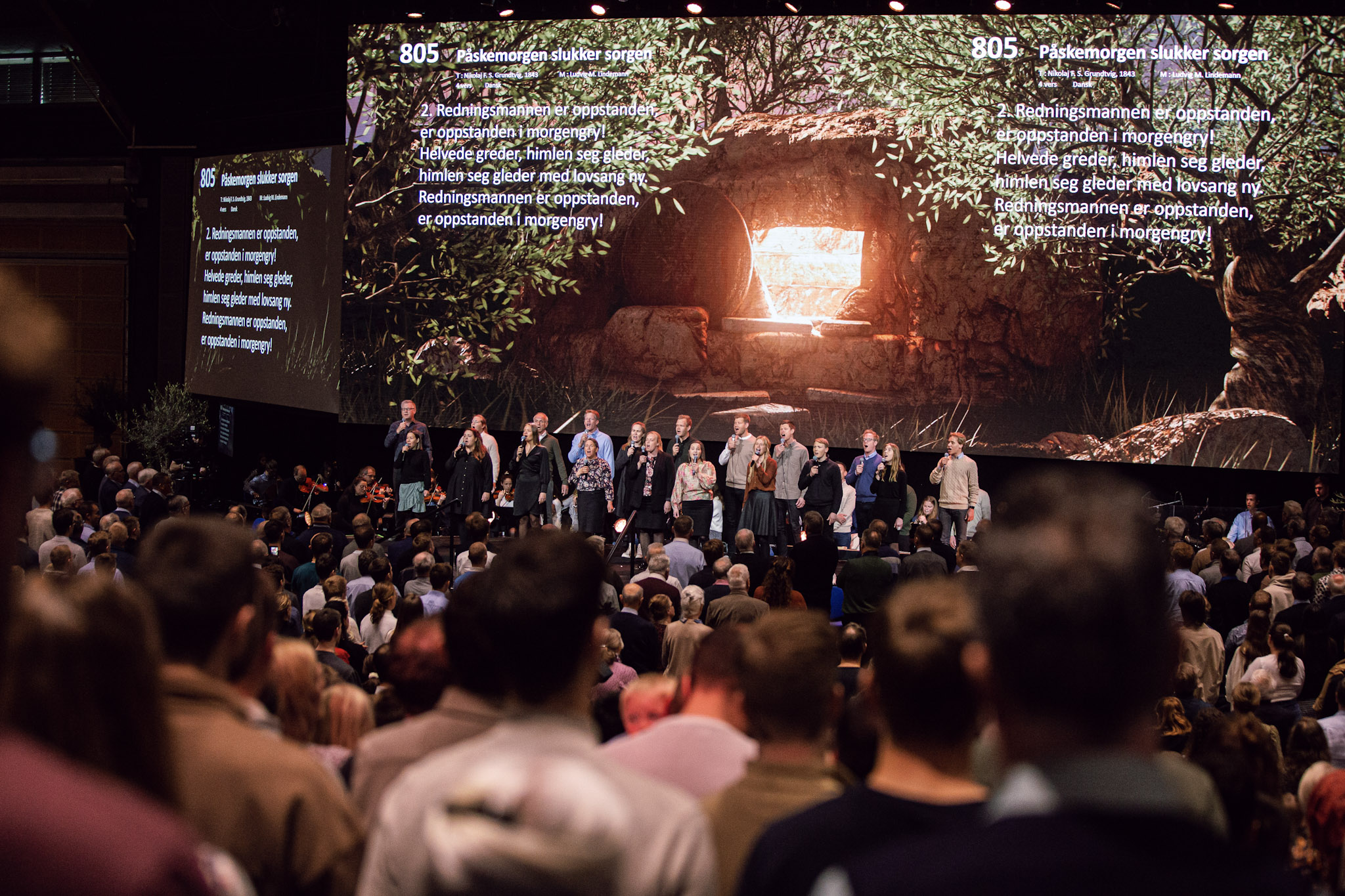
We believe that Jesus died for our sins, and that through His blood we receive forgiveness of sins and are reconciled to God. This is undeserved grace, and now that we have received reconciliation as a gift, the intention is then to be saved through the life of Jesus.
“For if when we were enemies we were reconciled to God through the death of His Son, much more, having been reconciled, we shall be saved by His life.” (Romans 5:10)
For us, the celebration of Easter is not only a commemoration of a historical event, but also a source of hope for those living today. By God’s grace, we can share in the life of Jesus, leaving sin behind and entering into service for God, and the fruit of this is sanctification. (Romans 6:17-19) It is this great work of salvation that we celebrate at Easter.
Christ is risen; yes, He is truly risen. This is the joyful message of Easter, which has enabled us to live a victorious life on the foundation of the resurrection and by the power of the resurrection.
5 questions and answers about Easter
1. Where in the Bible can I read about Easter?
The traditional Passover commemorates the Israelites’ exodus from Egypt; you can read about it in the Old Testament, in Exodus, chapters 12–14.
You can read about the Christian Easter in all four Gospels of the New Testament:
- The Gospel of Matthew, chapters 26–28
- The Gospel of Mark, chapters 14–16
- The Gospel of Luke, chapters 22–24
- The Gospel of John, chapters 18–20
2. In many languages, the word for “Easter” comes from the Hebrew Pesach. What does this mean?
The Hebrew word Pesach means “to pass over,” (= “Passover”) and refers to what happened when the Israelites were rescued from slavery in Egypt.
3. How long does Easter last?
Easter runs from Palm Sunday to Easter Sunday, and therefore lasts about a week.
4. What happened on each day of Easter?
Palm Sunday
This marks the beginning of Easter and commemorates Jesus’ entry into Jerusalem on a donkey, as many people welcomed Him with palm branches. That is why this day is called Palm Sunday. The holiday is celebrated on the last Sunday before Easter.
Jesus’ entry into the city while riding a donkey fulfilled the prophecy from the Old Testament:
“Behold, your King is coming to you; He is just and having salvation, lLowly and riding on a donkey, a colt, the foal of a donkey.” (Zechariah 9:9).
Maundy Thursday
On Maundy Thursday, we commemorate Jesus’ last day with His disciples, when He washed their feet before they ate the Passover lamb together.
While they were eating, Jesus instituted Communion, also known as the Lord’s Supper. When the Last Supper was over, Jesus and His disciples went to the Garden of Gethsemane. There Jesus went off by Himself and prayed to God, and was in great need.
Good Friday
Good Friday commemorates Jesus’ arrest, torture, and crucifixion. The day is called Long Friday in Norwegian with reference to Jesus’ long suffering on the cross, but it has other names in different languages.
After Jesus had died, his body was taken down from the cross, wrapped in a linen cloth, and laid in a nearby tomb.
Easter Eve
This is the evening before Easter morning, marking the time when Jesus lay in the tomb.
Easter Morning
On Easter morning, or Easter Sunday, we celebrate Jesus’ resurrection from the dead. It was on this day that an earthquake struck and an angel descended from heaven and rolled the stone aside, opening the tomb.
Jesus appeared first to Mary Magdalene and then to the other disciples, and told them not to be afraid.
This day always falls on a Sunday, but the specific date varies from year to year.
5. When did it become customary to celebrate Easter?
There is no specific year when it became customary to celebrate Easter, but the early Christians commemorated Jesus’ death and resurrection in connection with the Jewish Passover. We know that Christians celebrated Easter every year as early as the 1st century .
Read also
Easter changed the world forever
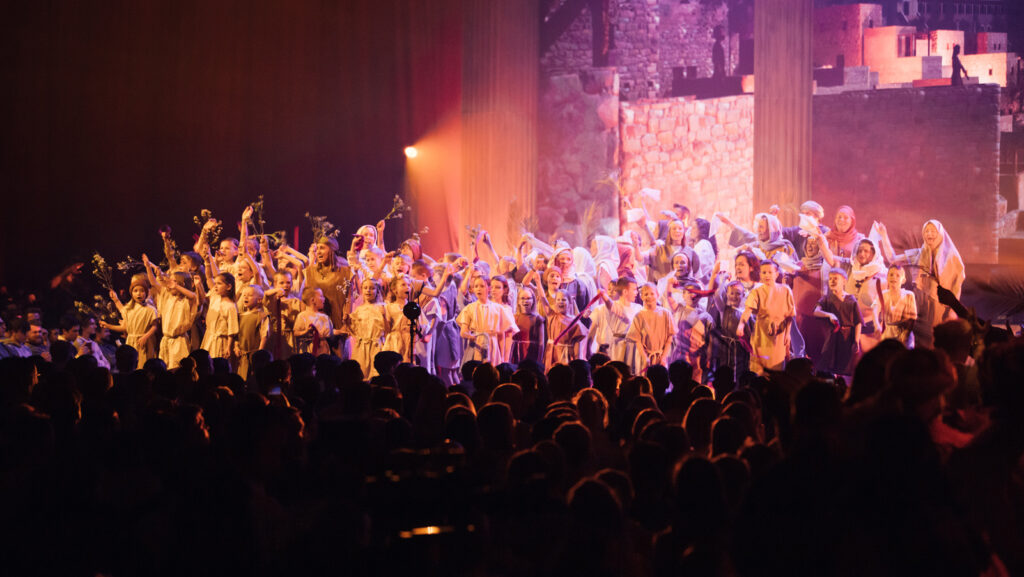
It is not easy to do justice to the historic and festive atmosphere of Palm Sunday during the youth’s Easter camp within a text. But the memories live on…
A worthy Easter Celebration – See Photo Series
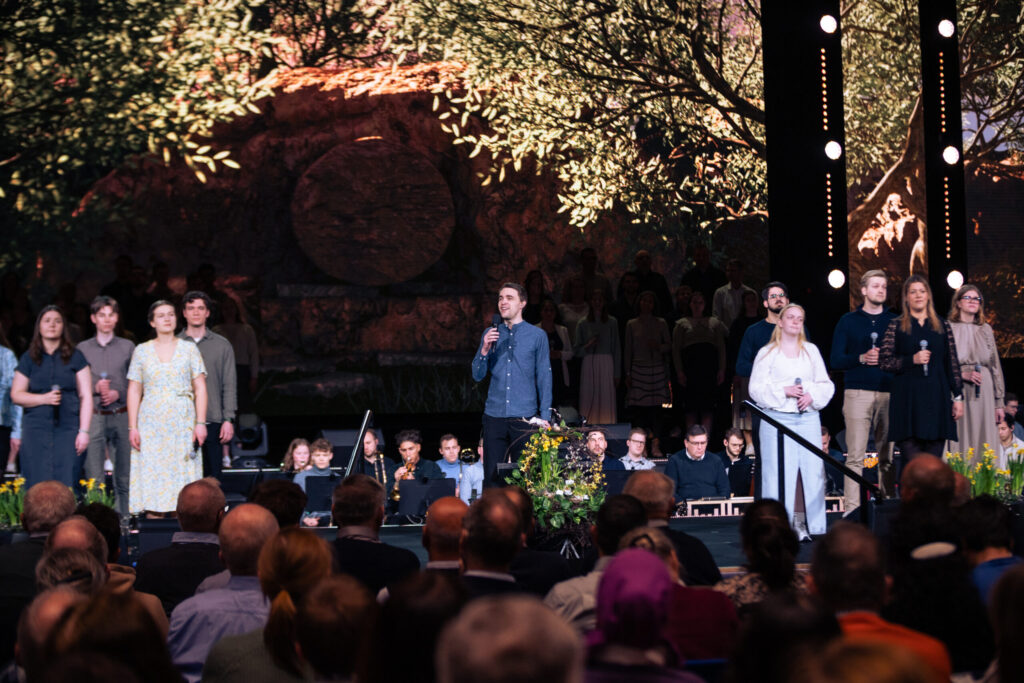
It's a holiday to be able to gather around the Easter message. For over 100 years, BCC has organized Easter conferences for its members, and this year's …
The preaching attracts a record number at the Easter conference
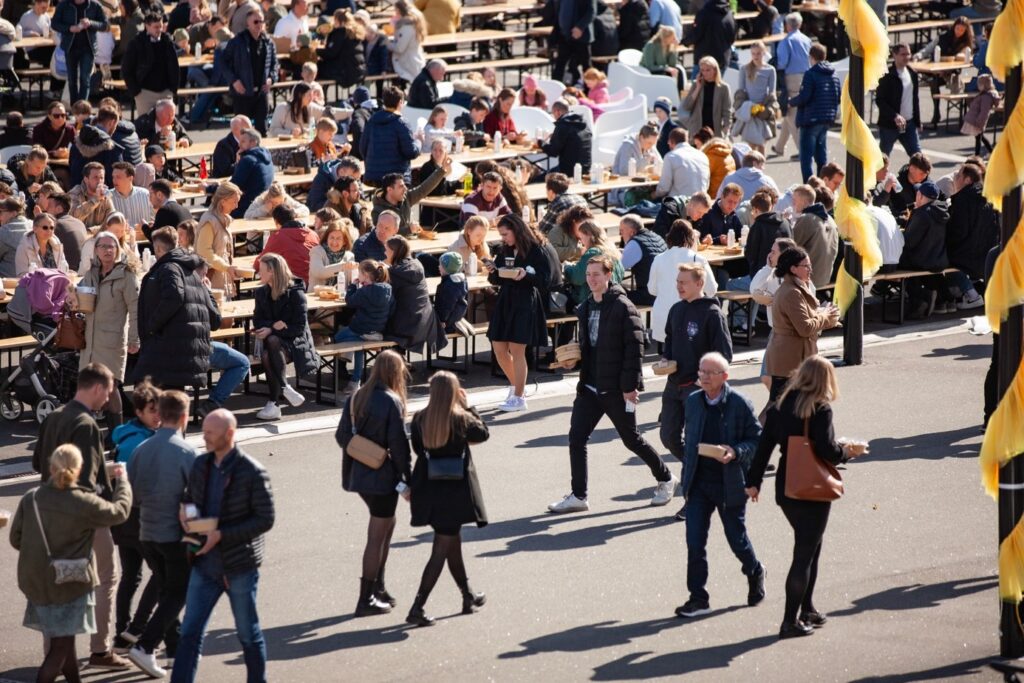
For several years the Easter conference has been one of the most visited conferences, and this year the record was broken. The opportunity to hear the …